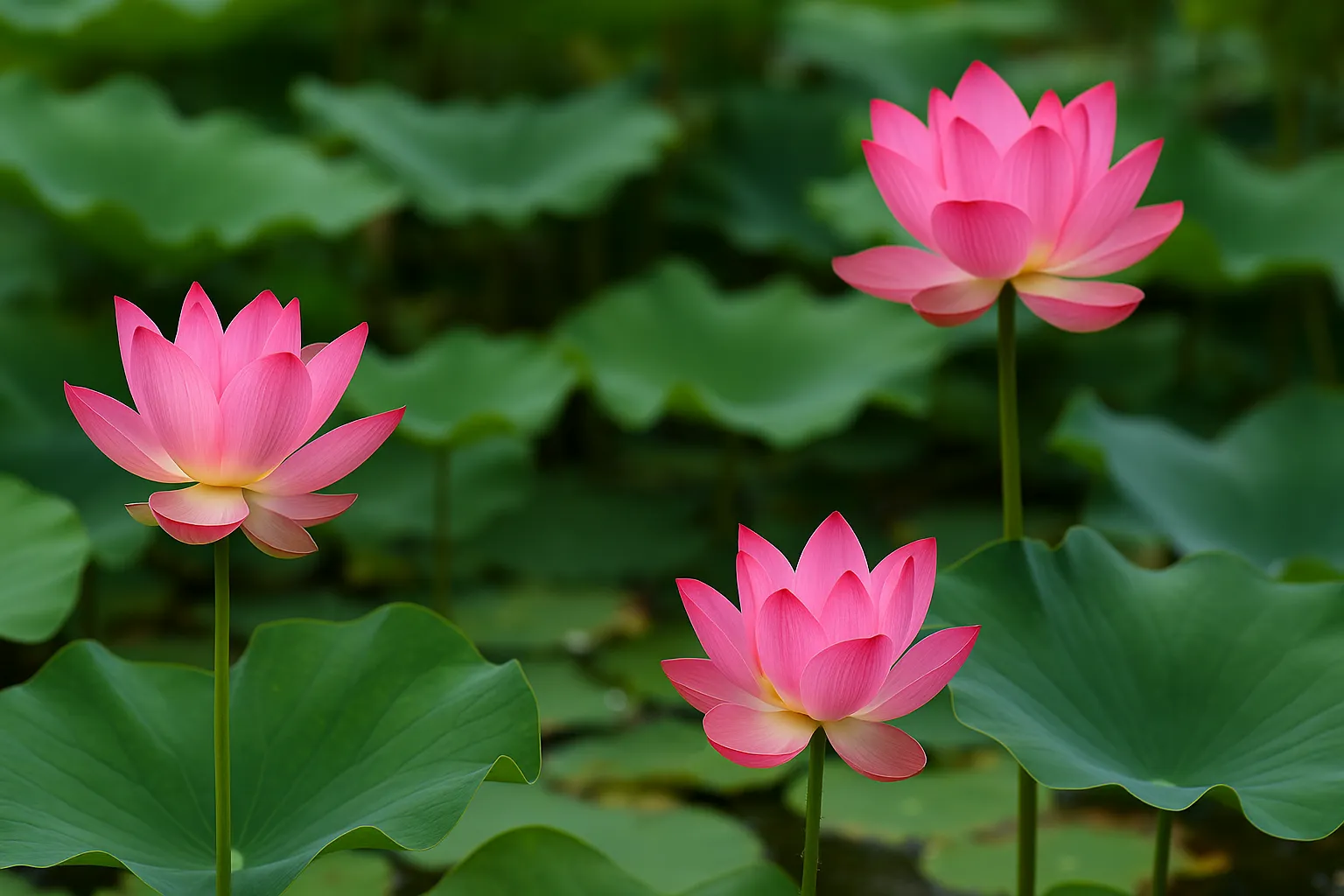
If there’s one flower that most people in India remember seeing by lake edges, temple ponds, or on festive decorations, it’s the beautiful lotus. Known locally as Kamal (कमल) in Hindi, this aquatic marvel has fascinated generations with its serene beauty, resilience, and profound cultural importance. Whether you’re a nature lover, a curious gardener, or someone who wants to grow a water lotus at home, join me for a friendly and informative exploration of everything you ever wanted to know about the lotus flower!
The Meaning and Magic of the Lotus Flower
Let’s kick things off by unwrapping a little bit of lotus information. The lotus is not just a flower—it’s a symbol. Revered in Hinduism, Buddhism, and Jainism, the lotus flower in Hindi culture stands for purity, rebirth, and enlightenment. Its scientific name is Nelumbo nucifera, and it’s also widely known as the “sacred lotus” or “Indian lotus”.
You’ve probably heard stories or seen art where the Kamal rises effortlessly above mud and water, always clean and graceful. That’s the magic of the lotus: it flourishes in unlikely places, teaching us to stay pure and positive no matter our surroundings.
Types and Colors: The Stunning Variety of Lotus Flower
Before you imagine lotus as just a pink or white bloom, let me introduce you to the diverse palette of lotus color options:
- Pink Lotus: The most classic and widely recognized lotus color, often seen in temple water gardens.
- White Lotus Flower: A symbol of spiritual perfection and tranquility, these radiant white blooms are often associated with peace.
- Red Lotus Flower: Striking and rare, red lotuses embody passion and love.
- Blue Lotus Flower: Famous in Egyptian lore, this variety is rare but captivating with its gentle blue tones.
- Yellow and Silver Lotus Flower: Less common yet admired for their unique beauty and gentle shades.
The lotus plant (and even the lotus leaf, which you probably remember from monsoon scenes with droplets rolling off it) is full of surprises. Did you know that the leaf has a waxy coating, making water bead up magically? Kids (and adults!) can spend hours marvelling at this.
How to Germinate Lotus Seeds: Getting Started
Dreaming of growing your own lotus? Let’s take a look at how to germinate lotus seeds—it’s easier than you think!
- Prepare the Seeds: Lotus flower seeds have a very hard outer coating. To help them sprout, gently rub one end with sandpaper or lightly file it. Be careful not to damage the seed inside.
- Soak in Warm Water: Place your seeds in a bowl of warm water, changing the water daily. Within a week, you’ll notice the seeds swelling and eventually sprouting.
- Ready for Planting: When the shoots are about 4-6 centimeters, they’re ready to be transplanted into soil.
And don’t forget, beautiful lotus plants can live in harmony with Gomphrena Flower, making ponds look magical in the blooming season!
How to Plant Lotus Seeds: Welcoming Your Lotus Home
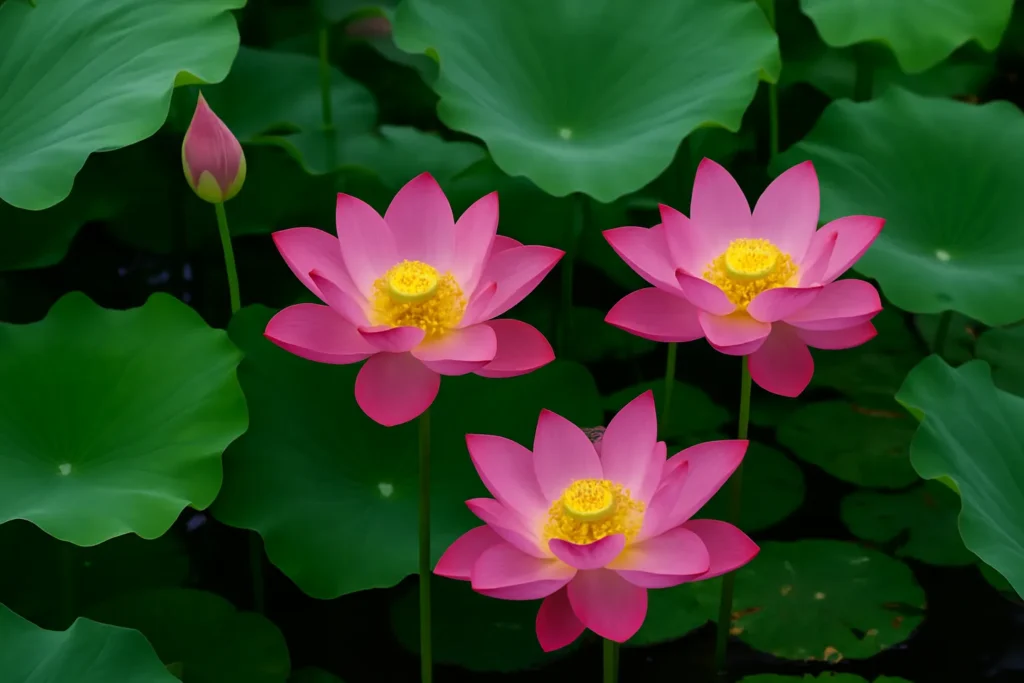
Once the seeds have germinated, the next step is learning how to plant lotus seeds, so your beautiful water lotus has its best start:
- Pick the Right Container: Use a wide and shallow pot (minimum 30-40 centimeters wide and 15-20 centimeters deep). The container should not have drainage holes at the bottom to prevent water loss.
- Fill with Soil: Lotus love heavy, loamy, or clay-rich soil. Regular garden soil with a touch of clay works best; avoid potting mixes full of organic matter—it floats!
- Transplant Seedlings: Place the baby seedlings about two to three inches into the soil, with the shoot pointing up. Add water until the soil is submerged by about 2-4 inches.
- Choose the Perfect Spot: Like the fiery Petunia Flower or resilient Gokarna Plant, lotus craves sunlight. Place the pot somewhere it gets at least 6-8 hours of direct sun each day.
As your lotus grows, you’ll see large, striking leaves and stems begin to rise elegantly above the surface of the water—always a magical sight!
Nurturing Your Water Lotus Flower: Tips for a Gorgeous Bloom
Let’s make your water lotus thrive. Here’s a handy guide to care and joy:
- Water Level: Keep 2-6 inches of clean water above the soil at all times. Change water in containers periodically to prevent stagnation and mosquito breeding.
- Fertilizing: Use a slow-release aquatic fertilizer a month after planting and then monthly during the growing season. Avoid fertilizing in the winter when lotus enters dormancy.
- Sunlight: We can’t stress enough—lotus needs direct sun! Place them in a spot where they receive full sunlight to ensure optimal blooming.
- Season: The best time to start is during warmer months (March to June), when water warms up with the sun.
Tip: If you’re designing a balcony pond or container garden, the invisible grill trend lets in plenty of light and fresh air, helping your lotuses as well as other garden favorites.
Lotus Leaves: Beauty Beyond the Bloom
Lotus leaf fans out over the water’s surface, round and shield-like, providing shade to fish below and shelter to their own emerging buds. These leaves, with their exceptional “lotus effect,” repel water and dust—a living marvel of nature’s engineering. The leaf is also used in culinary traditions and, fun fact, traditional Indian lamps in temples sometimes use lotus stem fiber for wicks.
If you love bold leaf textures, don’t miss checking in on the broad leaves of the Sampangi Flower in your garden. Both create a refreshing, lush atmosphere.
How to Grow Lotus Plant Successfully at Home
Here’s a quick recap for anyone inspired to bring home the magic of lotus:
- Start with Good Seeds or Healthy Tubers: Buy from reputable sellers. Some shops even offer hybrid varieties for faster blooms.
- Pick the Right Container and Soil: No drain holes, heavy soil, and at least a foot of width/depth for the root spread.
- Provide Plenty of Sun: Like your favorite sun-loving flowers, lotus needs all the rays it can get.
- Keep It Fresh: Change water regularly; add a few fish to your pond to prevent mosquitoes (just like many do with balcony gardens and small ponds in India).
- Be Patient: Lotus often focuses on growing roots the first year; blooms usually start from the second year onwards.
- Winter Care: In colder regions, protect the tubers or move containers indoors to prevent freezing.
Your beautiful lotus will thank you with blooms that are as uplifting as they are eye-catching!
Your water garden wouldn’t be complete without some neighbors for your Kamal. Consider pairing lotus with Marikolunthu Plant for fragrant contrast or Tagar Flower to add ground-level blooms near your lotus container. A diverse garden is always the most interesting!
Final Notes
Whether you’re fascinated by the scientific name of lotus (Nelumbo nucifera), the stunning lotus colors, or the age-old stories of Kamal in Indian art, the lotus flower remains one of nature’s most enchanting gifts. Symbol of purity, grace, and perseverance, the lotus continues to inspire all who encounter it on lakes, ponds, and in home water gardens across the world.