
We all know our everyday vegetables, like spinach, beans, and cauliflower. But what about kale, asparagus, or zucchini? These fall under a fascinating category called exotic vegetables. They’re not only unique in appearance but also rich in nutrition and flavor. Exotic vegetables in India were once considered rare imports. But today, thanks to local farming and the popularity of global cuisines, they’re easily available in supermarkets and even online. If you’ve ever wondered what exotic vegetables are and why people are so excited about them, this guide is for you.
What Are Exotic Vegetables?
Exotic vegetables are plant varieties that are not native to India but have been introduced from other countries. Over time, they’ve adapted to Indian soil and climate, making them more accessible to grow and consume.
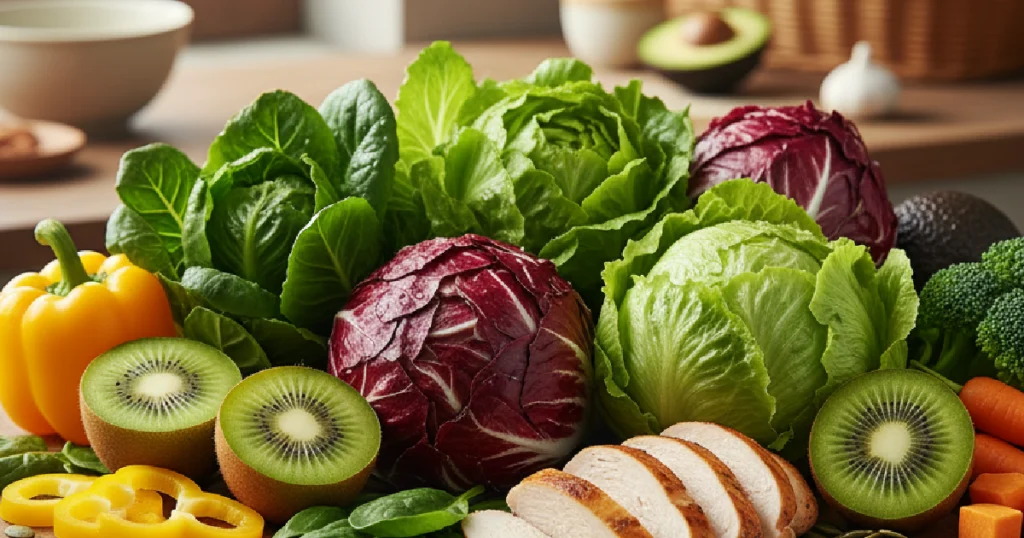
Think of broccoli, lettuce, and kale;once unusual, now common in urban diets. These vegetables stand out for their colors, shapes, and tastes, but what makes them truly special is their nutritional profile. Packed with vitamins, minerals, and antioxidants, they’re a fantastic way to upgrade your daily meals.
Why Are Exotic Vegetables Popular in India?
The demand for exotic vegetables in India has grown steadily in recent years. International travel, cooking shows, and social media have inspired people to experiment with recipes that use ingredients like avocado, cherry tomatoes, or bok choy.
Farmers have also stepped in to meet this demand. Exotic vegetables grown in India are now cultivated in states like Himachal Pradesh, Maharashtra, and Karnataka. This local production means fresher, more affordable vegetables compared to expensive imports.
Top 10 Exotic Vegetables You Should Try
If you’re looking for inspiration, here’s a top 10 exotic vegetables list with popular exotic vegetables names that are delicious, versatile, and healthy.
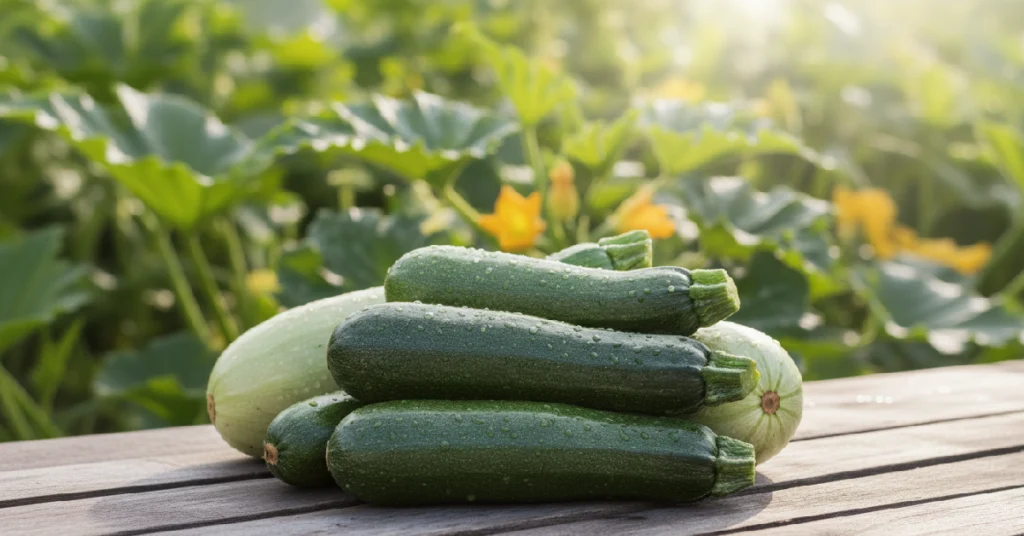
Zucchini
Zucchini is a soft, green squash with a mild flavor that blends beautifully into many dishes. It can be stir-fried, baked into zucchini bread, or spiralized into noodles as a pasta substitute. Rich in Vitamin C and potassium, it’s both healthy and versatile.
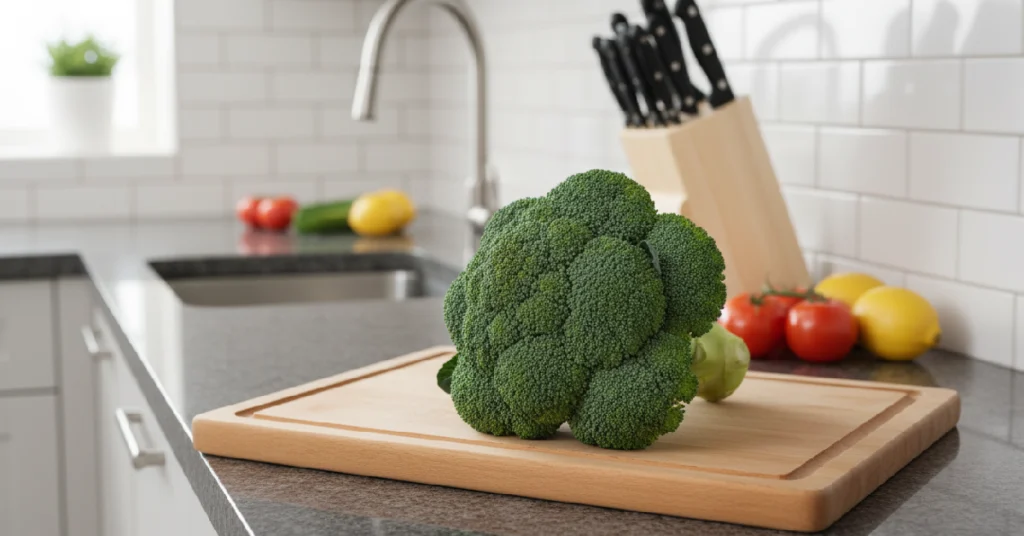
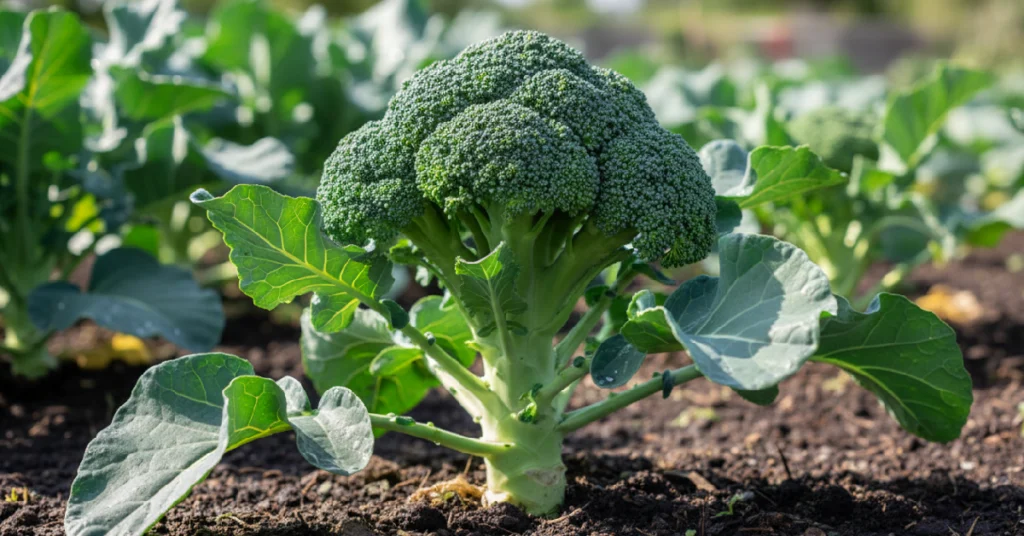
Broccoli
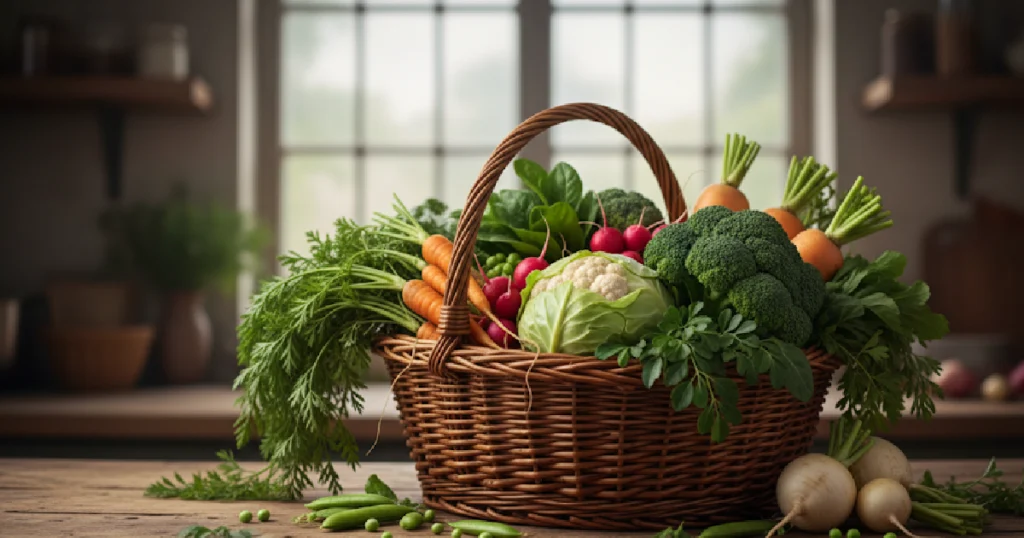
Often called a superfood, broccoli has a tree-like structure with tender florets. It’s loaded with Vitamin C, Vitamin K, and fiber, making it excellent for immunity and digestion. Steamed, roasted, or added to Indian-style curries, broccoli fits in everywhere.
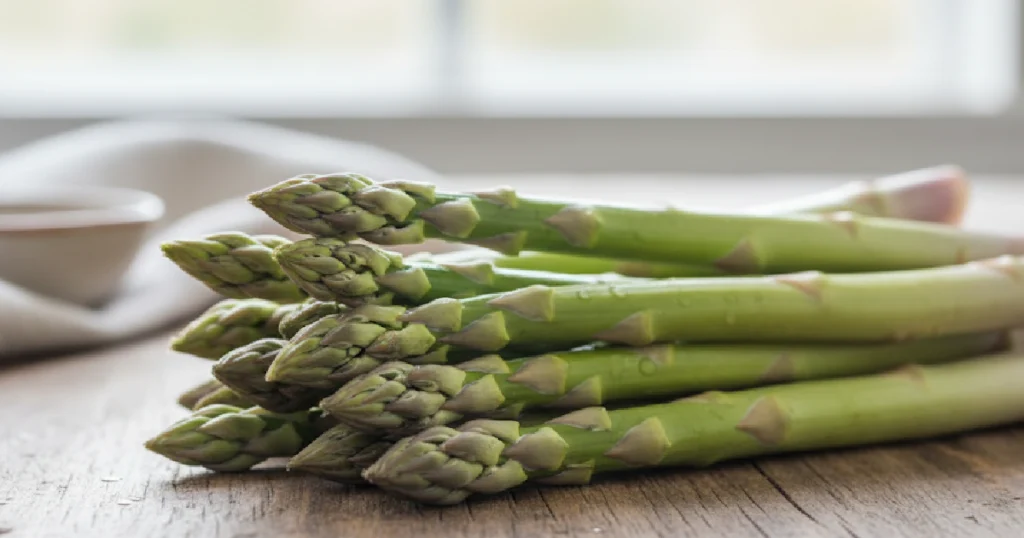
Asparagus
Asparagus is known for its long, slender stalks and slightly nutty flavor. It’s often enjoyed grilled or lightly sautéed with olive oil. A rich source of folate and antioxidants, asparagus is also linked to better heart health.
Cherry Tomatoes
These bite-sized tomatoes are juicy, sweet, and bursting with flavor. Cherry tomatoes are high in Vitamin C and lycopene, an antioxidant that supports skin health. They’re perfect for salads, pasta, or simply roasted with herbs.
Bell Peppers (Capsicum)
Bell peppers come in vibrant shades of red, yellow, and green. Their crisp, sweet crunch makes them popular in stir-fries, pizzas, and even Indian curries. Packed with Vitamin A and Vitamin C, they’re great for boosting immunity and eye health.
Kale
Kale is a dark leafy green that has earned the title of a nutritional powerhouse. With high levels of iron, calcium, and antioxidants, it supports bone health and immunity. It can be eaten raw in salads, blended into smoothies, or baked into chips.
Lettuce
Lettuce is light, crisp, and refreshing—often forming the base of salads and wraps. Low in calories but rich in Vitamin A and folate, it’s a guilt-free way to add crunch to your meals. You’ll also find it in burgers, tacos, and sandwiches.
Avocado
Though technically a fruit, avocado is used like a vegetable in savory dishes. With its creamy texture and mild flavor, it’s great for guacamole, toast toppings, or smoothies. Avocados are rich in healthy fats, potassium, and fiber, making them a heart-friendly choice.
Pak Choi (Bok Choy)
Pak Choi, also known as Bok Choy, is a type of Chinese cabbage with crisp stalks and tender green leaves. It’s highly nutritious, packed with Vitamin C and calcium, and is perfect for stir-fries, soups, or steamed side dishes.
Celery
Celery has long, fibrous stalks that are refreshing and crunchy. With Vitamin K, folate, and antioxidants, celery is often recommended for digestion and hydration. It’s a popular addition to soups, salads, and fresh juices.
Growing Exotic Vegetables at Home
You don’t need to rely only on markets to enjoy these vegetables. Many exotic vegetables can be grown at home with the right conditions. Lettuce, cherry tomatoes, and kale are beginner-friendly options. Exotic vegetable seeds are easily available online and at gardening shops.
If you’re planning a green space, here are some terrace garden ideas for home to help you make the most of your space. With patience and a little effort, you can enjoy fresh produce straight from your garden.
Exotic Vegetables Chart: A Handy Guide
Here’s a quick reference chart to help you understand the key details of these vegetables—their description, nutrients, and common uses.
| Exotic Vegetable | Description | Key Nutrients | Common Uses |
| Zucchini | Green squash with tender flesh and mild flavor. | Vitamin C, potassium, fiber | Stir-fries, noodles, breads |
| Broccoli | Tree-like florets with crisp stalks. | Vitamin C, Vitamin K, fiber | Steamed, roasted, curries |
| Kale | Dark leafy green with earthy flavor. | Iron, calcium, antioxidants | Smoothies, salads, chips |
| Asparagus | Long green spears with nutty flavor. | Folate, Vitamin K, antioxidants | Grilled, sautéed, pasta |
| Cherry Tomatoes | Small, juicy, sweet tomatoes. | Vitamin C, lycopene | Salads, pasta, roasted |
| Bell Peppers | Crisp peppers in red, yellow, green. | Vitamin A, Vitamin C | Stir-fries, sabzis, pizzas |
| Lettuce | Crisp leafy vegetable. | Vitamin A, folate | Salads, wraps, burgers |
| Avocado | Creamy fruit used in savory dishes. | Healthy fats, potassium, fiber | Guacamole, toast, smoothies |
| Pak Choi | Asian cabbage with crisp stalks. | Calcium, Vitamin C, Vitamin A | Stir-fries, soups |
| Celery | Refreshing, crunchy stalks. | Vitamin K, antioxidants | Salads, juices, soups |
Just like winter season flowers in India bloom best in their season, these vegetables also have peak times where their flavor and nutrition are at their best.
Exotic Vegetables Grown in India
Local farming has made exotic vegetables more accessible than ever.
- Zucchini and broccoli thrive in Himachal Pradesh’s cool climate.
- Lettuce and kale are grown in greenhouses in Maharashtra.
- Bell peppers and cherry tomatoes flourish in Karnataka.
For nature lovers, exploring flowering plants of Kerala is another reminder of how diverse and rich Indian soil truly is.
Tips for Buying Exotic Vegetables in India
When shopping for exotic vegetables, it’s best to:
- Pick fresh vegetables with vibrant colors and firm textures.
- Prefer locally grown produce for better quality and price.
- Buy small quantities to avoid waste.
- Store them properly; broccoli and kale spoil quickly if not refrigerated.
If you’re planning to grow them yourself, investing in good containers helps. You can check out the best ceramic planters for home to ensure healthy plant growth and attractive garden setups.
Making Exotic Vegetables Part of Your Diet
Adding exotic vegetables to your diet doesn’t mean complicated cooking. Start with simple swaps:
- Add bell peppers to paneer bhurji.
- Blend kale into your morning smoothie.
- Make zucchini noodles instead of pasta.
- Mix broccoli into pulao for extra nutrition.
And if you’re setting up a balcony garden for these veggies, consider safety too. Using invisible grill wire can keep your space secure while maintaining open views and fresh air.
In Summary
Exotic vegetables are colorful, healthy, and surprisingly easy to include in everyday Indian meals. With more exotic vegetables grown in India and seeds readily available, they’re no longer just luxury items. Start with a few from the top 10 exotic vegetables list, try different recipes, and enjoy the freshness and variety they bring to your table.